Yachimun pottery and Okinawan black tea both grow out of the island's red earth and subtropical climate. One is a craft of centuries, the other much younger but with deep sturdy roots just like the trees.

Yachimun: pottery of the Ryukyu Kingdom
Yachimun is the Okinawan word for pottery. The best-known strand is Tsuboya ware, made in the Tsuboya district of Naha, and its character is easy to spot: simple, sturdy forms with bold glazes and patterns drawn from Okinawa's tropical landscape.
In 1682 the Ryukyu Kingdom gathered kilns scattered across the island, including those at Chibana, Takarakuchi and Wakuta in Naha, into a single pottery district at Tsuboya.
Unlike crafts on the Japanese mainland, Tsuboya ware reflects the influence of trade with nearby Chinese and Southeast Asian countries.
The twentieth century forced a move. As Naha urbanised, smoke from the climbing kilns became a problem, and restrictions followed after Okinawa returned to Japan in 1972. The last firing at Tsuboya's Agarinu Kiln ended in 1974. Many potters relocated to Yomitan Village, where the Yachimun-no-Sato ("village of yachimun") grew up around a new climbing kiln opened in 1992. The mingei potter Hamada Shoji, a close ally of Yanagi Soetsu, loved Okinawa so much that he returned every year to work at Tsuboya.
Today's glazes are the island's own palette: transparent, iron, cobalt and ash.


Okinawa black tea: a young tradition
Japanese black tea, or wakoucha, has a longer past than most people expect. Production began in 1875, when the Meiji government sent growers in every prefecture a manual on how to make it. The goal was to appeal to western tastes and compete with China and India with black tea production. Once a leading export, it then all but vanished after black tea imports were liberalised in the postwar years. Only in the 1990s did green tea producers across the country start making it again in earnest, and today it is made from Tohoku in the north to Okinawa in the south.
Okinawa has real advantages for growing black tea. The prefecture sits at about the same latitude as Assam in India, a major black tea region, and its acidic red soil suits tea plants. The southern islands are also where Japan's tea season starts first: Okinawa is the earliest place in the country to pluck spring ichibancha.
The centre of production is the north of the main island, around Nago, Kunigami and Ogimi. Okinawan black tea is still small-scale, but that is part of its appeal.


Sitting further south in Uruma City, in the Yamashiro area is Yamagusuku tea. Cultivation there began in 1935 with seeds brought from Taiwan and Shizuoka. The farmers of the area could not grow other crops on the land because of the steep hills with strong tropical sun and lack of shade. Tea was the perfect choice.
After the war most of the area became overgrown and the tea fields were left abandoned. In 2020 Satoshi Ishikawa, a Shizuoka native who has lived in Okinawa for about 25 years, learned of the regions rich and important history and set out to revive it through TETTOH Tea Factory.
What sets this farm apart is how they cultivate tea and work with the natural environment. The trees that have been reclaimed here are at least 90 years old meaning they have strong deep roots but they often produce a smaller yield. There is a wide variety of Zairai (seed grown plants) and cultivars including both assamica and sinensis hybrid varietals. For newer plants, rather than using common cultivars seen in most tea fields across Japan, Ishikawa raises seed-grown plants (zairai) directly into the soil. These are grown organically, with chicken-manure compost and no pesticides or synthetic fertiliser. The leaves that were once made into green tea are now fermented into beautiful black tea with white fleck tips.
Okinawa wakocha tea itself is gentle but bold. Some of the teas produced in the north are a little spicy while Tettoh tea has a beautiful complex flavour with low astringency and flavour notes of brown sugar and molasses

Two crafts, one island
The link between these two crafts is the ground itself. Tsuboya ware draws on Okinawa's high-quality clays, particularly red clay, to make pottery with a strong, warm character. Okinawan tea grows in the island's acidic red soil. Both crafts are shaped by the same climate and the same earth, and both are made in small workshops and on small farms.
They also share a geography. Yomitan, where much of today's yachimun is made, and the Yamagusuku Tea Region are only about a 20 minute drive from one another and both are the work of people choosing to keep a regional craft alive. The difference is age: yachimun is a three-century tradition that survived urbanisation by moving north, while Okinawan black tea is in revival still finding its identity.


A third, unmissable craft: Ryukyu glass
I would feel remiss to not mention one of my personal favourite Okinawa crafts, Ryukyu glass. Glassmaking is thought to have reached the islands around 1900, brought by artisans from Satsuma in Kagoshima, and early workshops in Naha made medicine and candy bottles. The Battle of Okinawa in 1945 devastated them. In the postwar years raw materials were scarce, yet demand from US personnel for glassware and souvenirs was high, so makers melted down discarded beer and cola bottles from military bases.
The impurities in that recycled glass, such as scraps of label, left tiny bubbles and uneven colour, which makers once saw as flaws and now treat as the signature. Brown came from beer bottles, light blue from large liquor bottles and green from juice bottles; purple and deep blue are made with manganese dioxide and cobalt. As plastic bottles shrank the supply of discarded glass, some makers switched to silica sand, soda ash and lime, and found ways to keep the bubbles. Ryukyu glass was designated a traditional craft of Okinawa Prefecture in 1998.
Like yachimun, it is hand-made, thick-walled and made to be used.


All three of these crafts are a true reflection of the Ryukyu people's spirit of optimism and perseverance. The bold colours and textures echo the beautiful azure seas and tropical flora and fauna surrounding the islands.

Visiting
Tsuboya Yachimun-dori in Naha is a cobbled street of about 400 metres, running between Kokusai-dori and Route 330. It is lined with potters' studios, shops and cafes, and some studios, such as Ikutouen, whose family has potted here for around 300 years, offer hands-on workshops where you can throw a piece or paint a shisa.
We highly recommend stopping in at Uchina Cafe Buku-Buku to try the traditional Okinawa treat of Bukubukucha alongside zensai, Okinawan shaved ice!
-
Naha Municipal Tsuboya Pottery Museum
1-9-32 Tsuboya, Naha. minutes' walk from Makishi Station on the Yui Rail.
-
Uchina Cafe Buku-Buku - Tsuboya Pottery Street
Pottery gallery & traditional Okinawa sweets and Bukubukucha.
-
Yomitan Yachimun-no-Sato
The pottery village on the west coast of the main island, where many makers work with traditional methods.
-
Tettoh Tea Factory
Book a tea tour at this natural farm to learn more about the history of Yamagusuku Tea Region
-
Ryukyu Glass Village
South of the main island in Itoman City. Enjoy practical workshops as well as a huge array of glass to purchase
-
Genka Genkichi
Glass studio & shop near Yomitan-no-sato. Watch the craftsmen blow glass in the factory and buy souvenirs in the shop across the street.
-
Yuiyui Kunigami roadside station
Sells Kunigami sencha and black tea, with tea-flavoured treats at its cafe.
-
Okashi Goten
Souvenir shop selling local crafts including Yachimun pottery, Ryukyu glass, local teas, weaving and more!
There are many stores across the island.


Shop our Okinawa Tea Collection
-
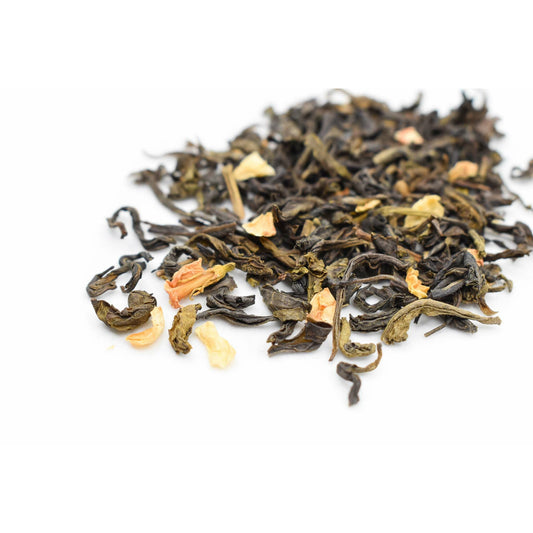
Nakazen: Sanpin Cha, Okinawa Jasmine Tea
Regular price £11.00 GBPRegular price -
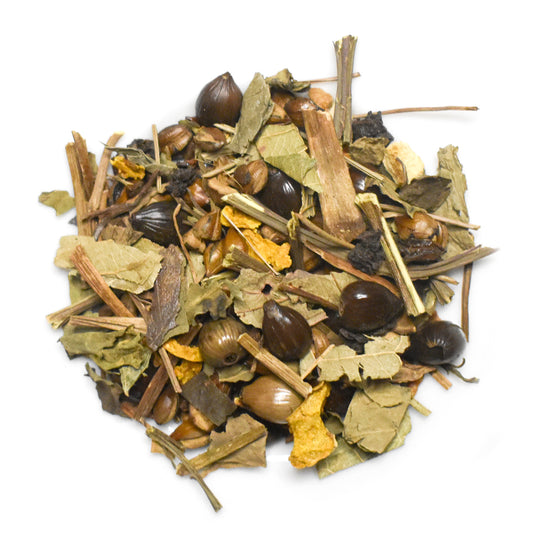
Nakazen: Blended Herbal Tea "18 Herbs for Longevity"
Regular price £10.00 GBPRegular price -
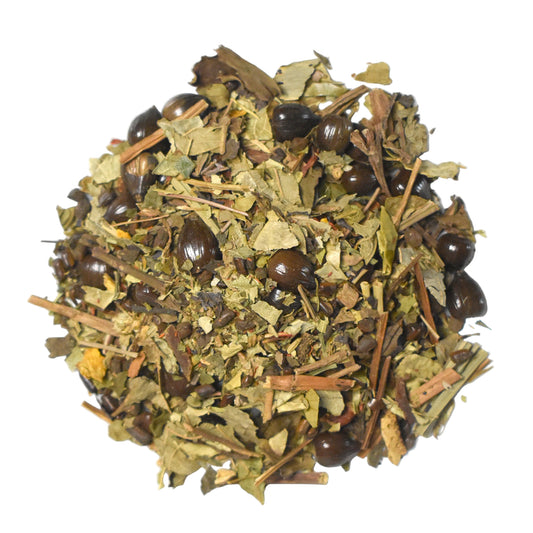
Nakazen: Blended Herbal Tea "Okinawa Health King"
Regular price £9.50 GBPRegular price -
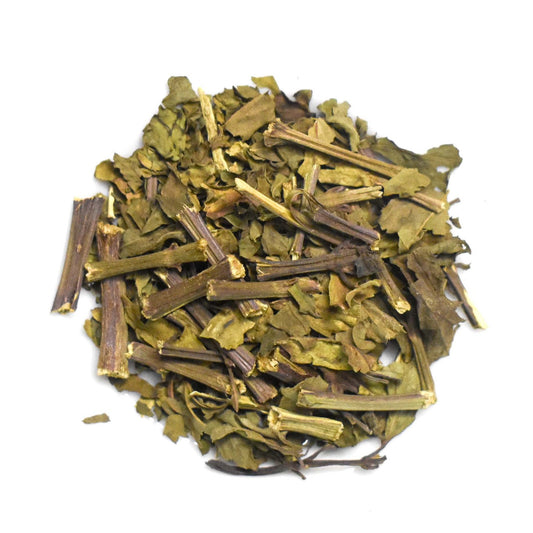
Nakazen: Cat Whiskers Herbal Tea (kumisukuchin)
Regular price £7.00 GBPRegular price